
The Meaning of the Final Conversation
Thirteen Reasons WhyHannah’s last conversation with Mr. Porter presents a direct request for help, a failed exchange about options, and the unresolved limits of responsibility after her departure.
increasing Bearing strength in each event
 decreasing
Bearing strength in each eventdecreasingArriving for Help

Arriving for Help
A difficult appointment
Hannah comes to Mr. Porter’s office carrying a recorder and struggling to explain why she has come.
She says that everything feels hard and that she feels empty, testing whether he will stay with the subject.
A rare disclosure
Her willingness to speak is a critical opening after months of indirect signals.
Naming the Emptiness
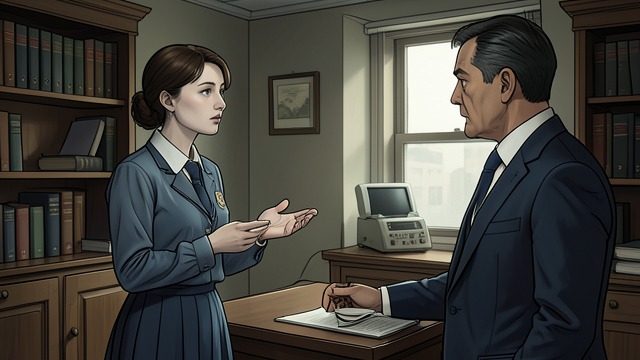
Naming the Emptiness
The word friends
Hannah questions what friendship means and says she has no one she can turn to.
Mr. Porter tells her he is glad she came, but she needs more than general reassurance.
A deeper question
She describes school as a place where she never knows who will hurt her next.
Disclosing the Assault

Disclosing the Assault
An uncertain account
Hannah tells Mr. Porter that something happened with a boy at a party and says she is unsure whether it counts as rape.
She does not want to press charges and asks what options remain.
A request for guidance
Her uncertainty makes the need for careful support more urgent, not less.
Options Without Safety
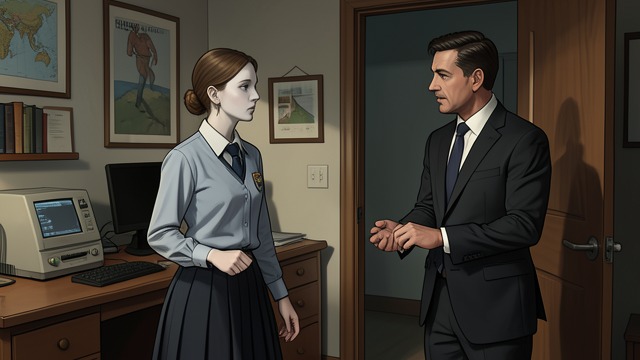
Options Without Safety
A narrow choice
Mr. Porter suggests confronting the boy or moving on if Hannah will not press charges.
Hannah hears the second option as a demand to get over the assault without assistance.
The critical departure
She says she needs to get on with her life and leaves before he establishes a safer next step.
The Door Stays Closed

The Door Stays Closed
Waiting for pursuit
Hannah walks down the hall and believes that Mr. Porter is not coming after her.
Her recording captures footsteps fading and her conclusion that no one is stepping forward to stop her.
Responsibility unresolved
The scene condemns an inadequate response without proving that any single intervention would certainly have changed the outcome.
During first-period English on Hannah’s last day
Early in the office conversation
Midway through the counseling meeting
Near the end of the meeting
Immediately after Hannah exits the office
